This content was provided by RWB Chad Kopenski of Ohio and originates from the 2016 Ohio Grand Lodge Membership Committee. It forms part of a larger document that I will share as a series. The information presented in this installment is valuable and intended to encourage reflection regarding various aspects of Masonic Education and offering suggestions for exploration.
Enjoy, and until we next meet: travel well my Brothers.
—
Educate Yourself
Freemasonry is a big tent, and people come to it for many different reasons seeking different experiences. Because of this, there are many different lenses to use when looking at Freemasonry. It is worthwhile to look at Freemasonry through different lenses or viewpoints to increase our knowledge and understanding. There are a wealth of print, television, movie, and online resources for the modern Mason and most of them can be categorized as presenting from one of the following viewpoints:
- Freemasonry 101-These resources seek to give the basic information about the history, nature, and specifics of Freemasonry such as Brother Christopher Hodapp’s Freemasons for Dummies.
- Moral, Ethical, and Spiritual Inspiration-These resources help explain, reinforce, or invite reflection upon systems of thought and belief such as Volumes of Sacred Law or Joseph Campbell’s ‘Power of Myth.’
- Foundational Documents-These resources are examples or explorations of the original documents upon which Speculative Freemasonry is based, such as Brother James Anderson’s Constitutions of 1723 or Brother Thomas Smith Webb’s The Freemason’s Monitor: Or Illustrations of Masonry.
- Masonic History-These resources explore the history of the institution, the institution’s role in historical events, and/or the lives of influential and/or famous Masons.
- Masonry Explained-These resources seek to explain Masonic symbols, shed more light on aspects of the degrees, or increase understanding on the lessons of the different degrees such as Brother Allen Roberts’ The Craft and Its Symbols.
- Esoteric Masonry-These resources explore the less mainstream areas of Masonry, often including aspects of spiritualism, mysticism, hermeticism, and mythology such as Brother W. Kirk MacNulty’s Freemasonry: A Journey Through Ritual and Symbol..
- Anti-Masonry-These resources explore the religious, social, and historical objections to Freemasonry, offering evidence and information to respond to those objections such as Is It True What They Say About Freemasonry? by Brothers Arturo de Hoyos and S. Brent Morris.
- Masonic Conspiracy Theories-These resources, usually created by non-Masons, seek to implicate Freemasonry in explaining mysteries such as the Whitechapel Murders or the Oak Island Treasure or seek to show Freemasonry as a clandestine global authority that directs everything from the fates of nations to the winners of entertainment awards.
- Masonic Fiction-These resources utilize Freemasonry as part of the story, such as Dan Brown’s ‘The Lost Symbol,’ Umberto Eco’s ‘Foucault’s Pendulum,’ or Rudyard Kipling’s ‘The Man Who Would Be King.’
- Masonic Poetry-These resources feature poems by Masons or about Masonry such as MWB Rob Morris’ ‘Poetry of Freemasonry,’ or works by WB Rudyard Kipling, WB Robert Burns, WB Jason Eddy and others.
- Masonic Leadership-These resources explore ways of becoming a leader, being an agent of change within a Lodge, or call for a re-examination of Masonry such as PGM James Easterling’s ‘The Successful Lodge: Best Practices in Freemasonry by 70 Well-Traveled Brethren,’ RWB Dan Hrinko’s ‘The Craft-Driven Lodge,’ or Brother Andrew Hammer’s ‘Observing the Craft.’
This list is not exhaustive and any resources listed should be considered a representative example and not construed as being an endorsement. When utilizing any resources, Masons should keep a healthy level of skepticism and utilize their powers of investigating and reasoning to evaluate the source, ideas, and viewpoint. We live in a society awash in information, but not all of it is good, valid or useful.
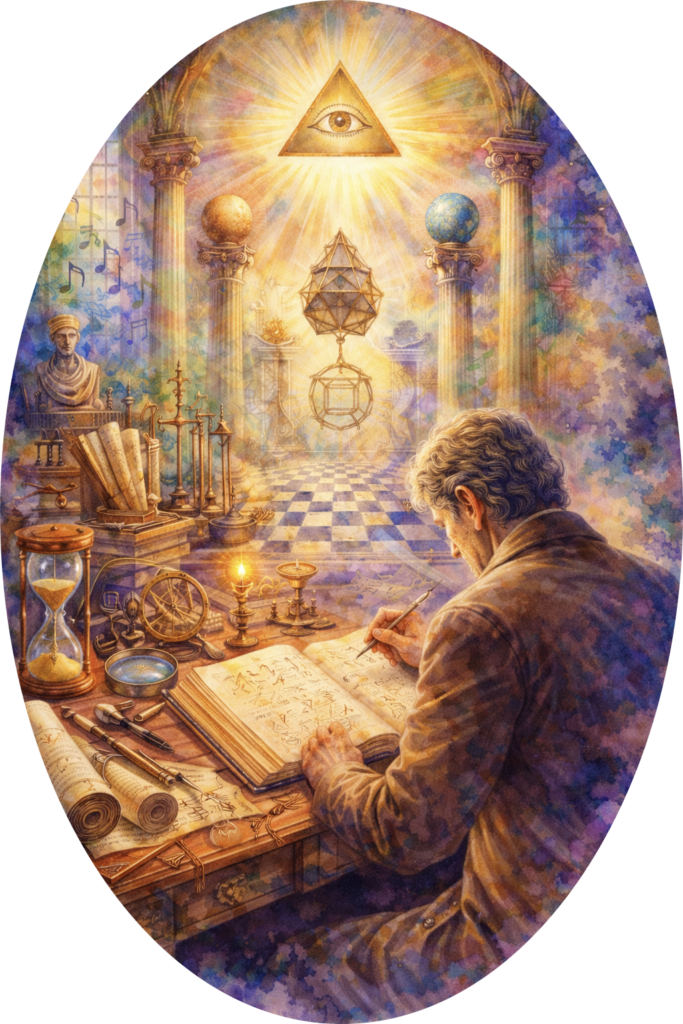
As Masons view Freemasonry through different lenses, some find that they have a particular interest in one view over another; they may also find gaps in their own knowledge. As Masons, we recognize that there is always more to know; therefore, keep interested in your own development as a man and Mason. There are many ways to develop: a study of one of the seven liberal arts and sciences, perfecting your skills as a craftsman, enhancing your abilities as a father and husband, or taking the time to contemplate and appreciate the great works of Creation can be just as valuable. Some Masons will tell you that they learned more about Masonry taking their daughter fishing than they ever did reading a book or going to a website.
Education can be difficult on your own, and the inquisitive Mason will find that there are many like-minded Masons readily available. For centuries, the Masonic Lodge has been the place for men to share their knowledge, to discuss challenging ideas with peers, and come away with their own knowledge increased and thinking clarified. As the old adage goes: “If you are uninformed, surround yourself with informed people; if you are informed, surround yourself with informed people who are not afraid to respectfully disagree with you when necessary and explain why.” As you develop, bring what you have learned back to your Lodge and your other communities. Apply and share what you have learned. A perfect ashlar on a shelf is nice to look at; but its true beauty is discovered once it is put to use.