Recently, MWB Bob Davis recommended that I read “The E-Myth” by Michael Gerber. I ended up listening to it on Audible during my journeys to and from Masonic Camp. Travel time is perfect time to catch up on books via audiobooks.
Two key lessons from the book really resonated with me:
… To be successful
- Consistency is essential.
- Shifting mindset from being an expert in your craft to embracing systems thought is crucial for leadership at scale.
The first lesson focused on consistency, illustrated by an example from a barber shop. The author described three visits: one included excellent service with coffee, another offered just a great haircut, and a third provided an option of wine. While the haircuts were always on point, the unpredictable extra touches led the author to take their business elsewhere. This reaction makes sense—most people value a certain level of consistency, even if changes could be positive. Abrupt shifts can ruin someone’s experience. I remember running across a story once that involved eBay and helps illustrate this point further: when the company changed its traditionally bold yellow background to white overnight, users revolted. As a result, eBay had to revert and transition the color slowly, shifting from yellow to white in small steps over a year. The users found that change acceptable.
There is an important lesson here about our work: consistency is important so that members know what to expect. This is why our lessons, symbolism, and values are so important to keep consistent.
Some time ago, RWB Shawn Carrick shared with me an article he penned on attributes of a healthy lodge which also delves into these themes. I submit it to you below for your consideration.
—
Within the esteemed tradition of Freemasonry, lodges serve as the cornerstone for the brotherhood, acting as both a gathering place and a platform for personal growth and community service. From my reading of different books and by watching what I see in the different lodges I believe that there are many habits of highly successful lodges, and I will list just seven habits that I believe will lead to a lodge becoming a highly successful lodge.
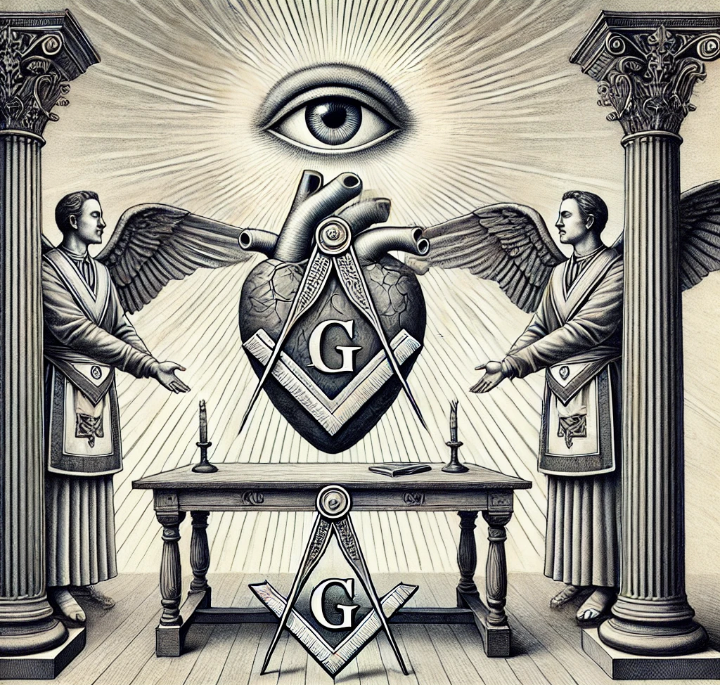
The first habit of successful lodges is a foundation built on effective and strong leadership. This means not only having a capable Master at the helm but also ensuring that all officers are well-prepared and committed to their duties. Effective leaders foster an atmosphere of respect, encourage participation, and promote Masonic values while also adapting to the needs of their members. Effective leaders also need to be able to guide and defuse conflicts between differing points of view and beliefs.
The second habit is frequent and transparent communication which is crucial for the health of a lodge. Successful lodges utilize various platforms—such as newsletters, meetings, and social media—to keep members informed about upcoming events, educational opportunities, and other important announcements. This habit not only keeps everyone in the loop but also strengthens bonds among members by encouraging regular interaction.
Building on communication leads to the third habit which is education and is at the heart of Freemasonry. A successful lodge offers a variety of educational programs that cater to the interests of its members. This could include lectures on Masonic history, discussions on philosophical topics, or workshops that develop personal skills. By investing in the intellectual growth of its members, a lodge enhances the overall quality of its meetings and the personal development of its freemasons.
A fourth habit of a successful lodge is in actively engaging with their local communities, participating in charitable events and providing support to various causes. This engagement is where most Masons can practice skills and teachings obtained through the Lodge that the community will become the beneficiary of. Freemasonry has always emphasized service to others and engagements in the community and reinforces the lodge’s commitment to brotherhood and service, demonstrating the practical application of Masonic principles.
Beyond the formalities of meetings, the fifth habit of a successful lodge emphasizes the importance of fellowship. Organizing social events, such as family gatherings, community barbeques, or even retreats, helps strengthen the bonds among members. This sense of camaraderie improves attendance and enhances loyalty, fostering a more connected lodge environment.
The sixth habit is that a thriving lodge continuously seeks to grow its membership through outreach and retention strategies. This involves not just inviting new members but also ensuring that existing members feel engaged and valued. Successful lodges often implement mentorship programs that pair new members with seasoned brethren, facilitating a welcoming and inclusive atmosphere.
The seventh and last habit to be discussed here is successful lodges maintain a commitment to the rich rituals and traditions of Freemasonry. The practice of these rituals is not just about performing them correctly; it’s about understanding their significance and embodying their teachings. There are many lessons that our rituals teach for each member to reflect on in their personal lives. This is a lifelong journey because over time, you may suddenly find that you are in the correct frame of mind, listening to the ritual from a specific person who has the right reflections and intonations in his voice that suddenly you find is pertinent to you. We must always remember that this reverence for ritual enhances the spiritual and moral fabric of the lodge, making the experience profound and impactful for all members.
These seven habits are integral for the success of any Masonic lodge, particularly those aligned with values. By nurturing strong leadership, maintaining clear communication, and focusing on education and community engagement, lodges can not only survive but flourish, ensuring a bright future for all members involved.
—
Both the E-Myth and RWB Shawn’s reflections teach important lessons that are complementary to one another. As we enter the season of Thanksgiving and the holidays, remember to look around and be grateful for how your family and Brethren were put in your path by the Grand Architect to help you grow. It brings me peace to know that I am surrounded by so many great men with big hearts dedicated to the advancement of our beautiful fraternity.
Until then, travel well my Brothers.